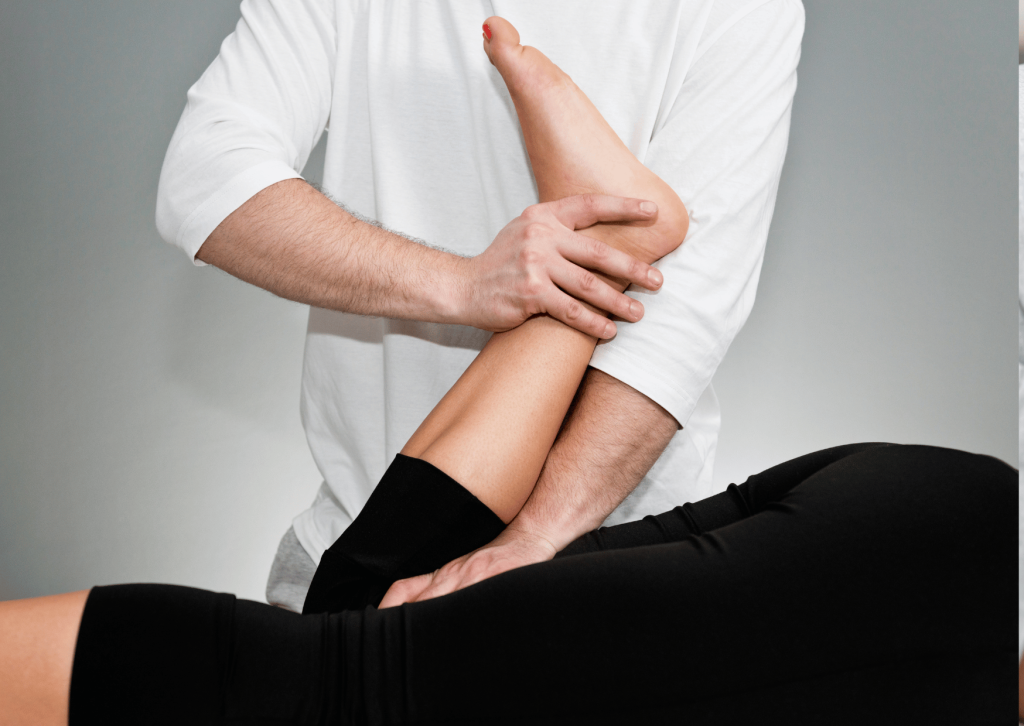
When most people think of chiropractic or manual therapy, they think of back and neck pain. But manual therapy techniques have also been studied for several conditions that might surprise you.
It is important to be specific: research generally evaluates particular treatments, such as spinal manipulation, joint mobilisation, soft-tissue techniques, or nerve mobilization, rather than “chiropractic” as a whole.
Jaw pain isn’t always just a dental problem. Temporomandibular disorders (TMD) can involve the jaw muscles, joints and surrounding areas, including the neck.
A 2023 systematic review of 20 randomised controlled trials found that manual therapy may reduce TMD-related pain and improve mouth opening and disability. The evidence ranged from moderate to high quality for several outcomes, although some of the improvements were relatively small.
Some headaches actually originate from structures in the neck. These are known as *cervicogenic headaches*.
A systematic review and meta-analysis involving 20 studies and 1,439 participants found that manual and exercise therapy may reduce headache intensity, frequency, and disability. Importantly, when the researchers restricted their analysis to trials with a lower risk of bias, they still found small benefits from spinal manipulation compared with sham treatment.
That doesn’t mean every headache should be treated through the neck. Correctly identifying the type of headache matters.
Carpal tunnel syndrome affects the median nerve at the wrist, producing symptoms such as numbness, tingling, pain and sometimes weakness.
A systematic review of six randomised trials involving 401 patients found that manual therapy techniques, particularly soft-tissue treatment and neurodynamic mobilization, produced short-term improvements in pain and function.
The key word here is short-term. The studies were relatively small and varied considerably, so manual therapy should be viewed as one potential component of care rather than a guaranteed solution.
Manual therapy isn’t limited to the spine.
The 2023 clinical practice guideline for plantar heel pain/plantar fasciitis recommends manual therapy directed at relevant joints and soft tissues of the lower extremity to help improve mobility, decrease pain, and improve function. The guideline combines this with treatments such as stretching and strengthening rather than suggesting manual therapy alone.
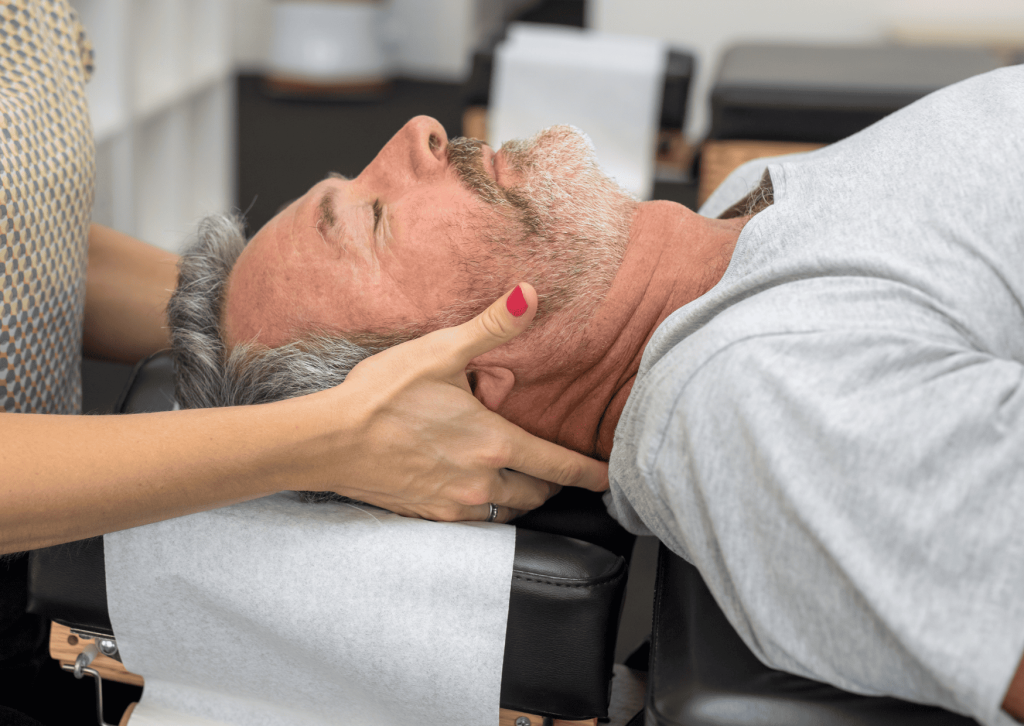
Manual therapy isn’t a cure-all. Its role is usually to reduce symptoms, restore movement and make activity or rehabilitation easier.
The interesting part is that the potential applications extend considerably beyond the classic sore neck or lower back.
1. Vieira LS, et al. The Efficacy of Manual Therapy Approaches on Pain, Maximum Mouth Opening and Disability in Temporomandibular Disorders: A Systematic Review of Randomised Controlled Trials. Life. 2023;13(2):292. doi:10.3390/life13020292.
2. Bini P, Hohenschurz-Schmidt D, Masullo V, Pitt D, Draper-Rodi J. The effectiveness of manual and exercise therapy on headache intensity and frequency among patients with cervicogenic headache: a systematic review and meta-analysis. Chiropractic & Manual Therapies. 2022;30:49. doi:10.1186/s12998-022-00459-9.
3. Jiménez-Del-Barrio S, et al. The effectiveness of manual therapy on pain, physical function, and nerve conduction studies in carpal tunnel syndrome patients: a systematic review and meta-analysis. International Orthopaedics. 2022;46:301–312. doi:10.1007/s00264-021-05272-2.
4. Koc TA Jr, et al. Heel Pain – Plantar Fasciitis: Revision 2023. Journal of Orthopaedic & Sports Physical Therapy. 2023;53(12):CPG1–CPG39. doi:10.2519/jospt.2023.0303
